
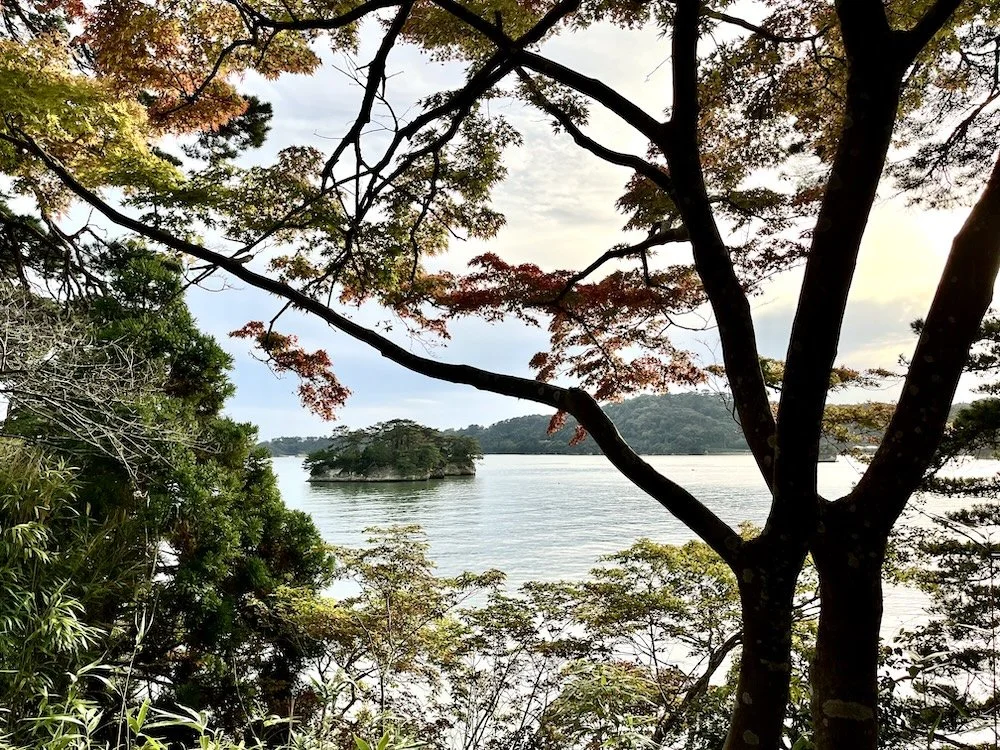
A view of Matsushima Bay in the Tohoku region of Japan, October 2025.
As some of you may recall, last fall I had the great pleasure of traveling to Japan with my husband and son. The highlight was a six-day walking tour tracing part of the route of 17th century haiku poet Bashō.
I’m thrilled that a major haiku journal has published a haiku sequence inspired by the trip. When my husband Paul saw the piece, laid out over two pages, he joked, “You got the centerfold in Modern Haiku!” I’m happy to share it here, with thanks to editor Paul Miller. I’ve added notes below for context.
_________________________
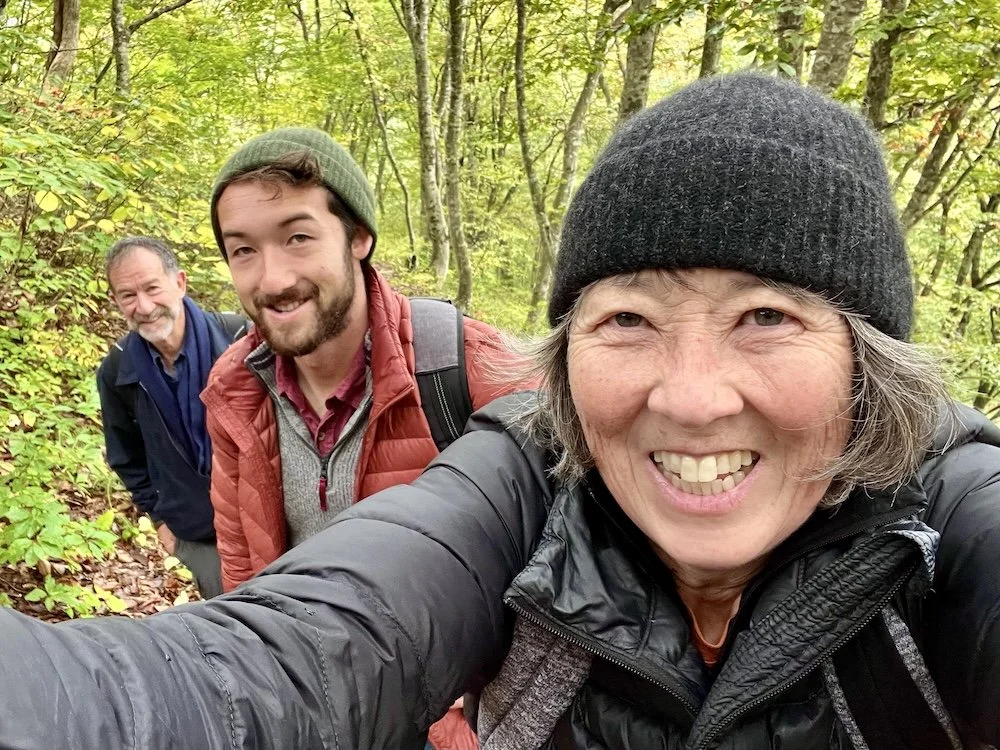
Three travelers hike part of Bashō’s 1689 route.
In Bashō’s Footsteps
three wayfarers
we catch up to Bashō
by bullet train
Narrow Road
everyone driving
on the wrong side
dancing maples
we clap and clap
for bears
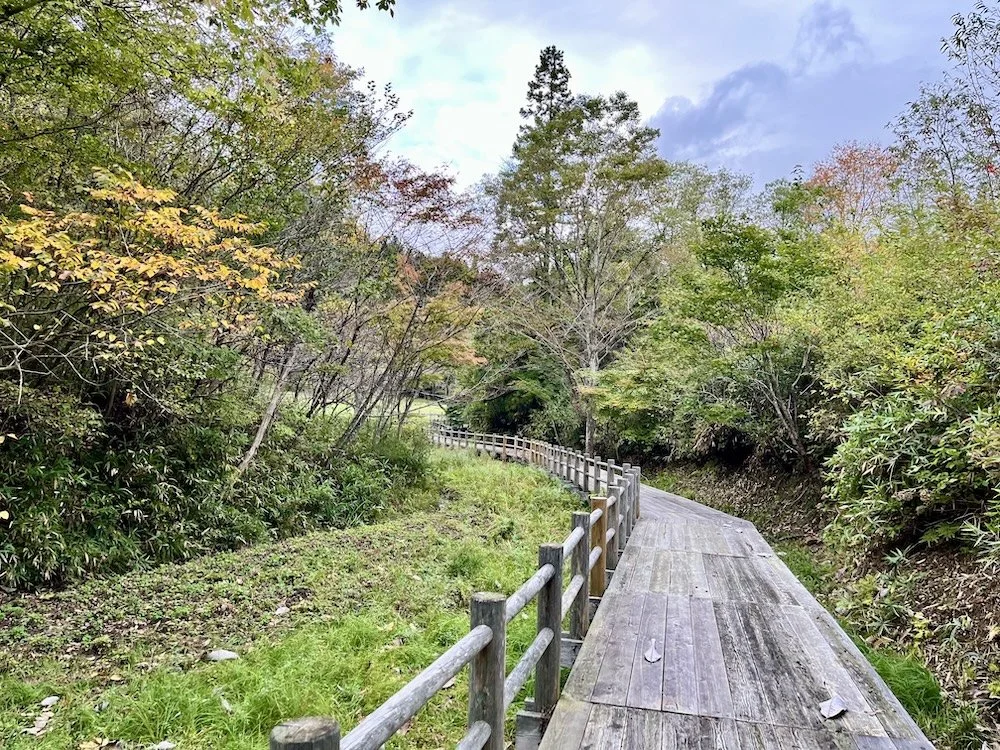
An elevated section of the trail.
all words drown
in its depths . . .
Matsushima Bay
a crow
cawing cawing
smoky hojicha
autumn leaves
Bashō’s dreams
endure in stone
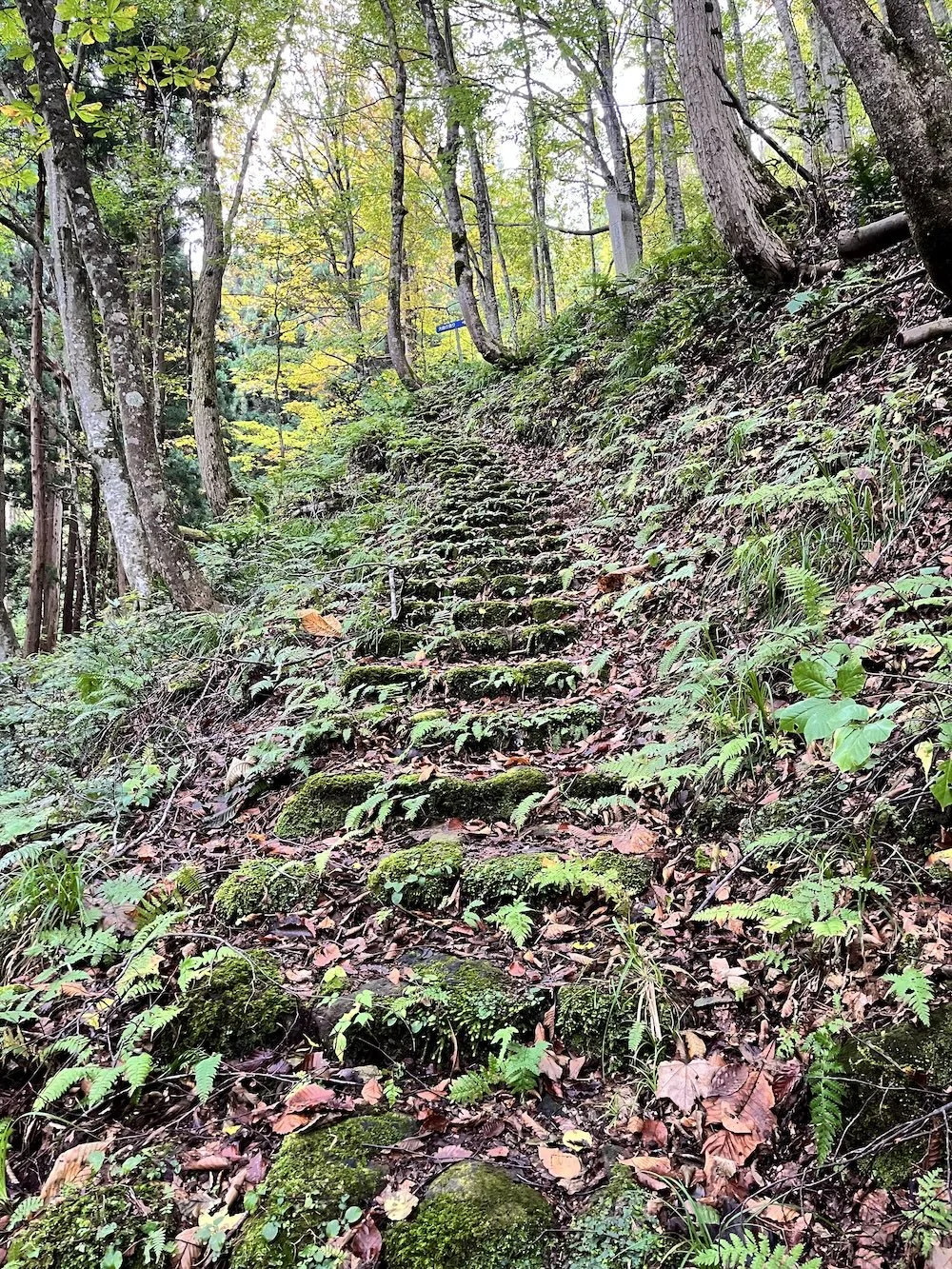
View of the steps leading up to Natagiri Pass.
on his walk too
the rhythm of rain
on bamboo
a little more wear
from our boots
sunken stone steps
a banana tree
waves hello
Bashō museum
straw sandals
how long they last
in the display case
steaming onsen
the long trail
dissolving
NOTES ON VERSES:
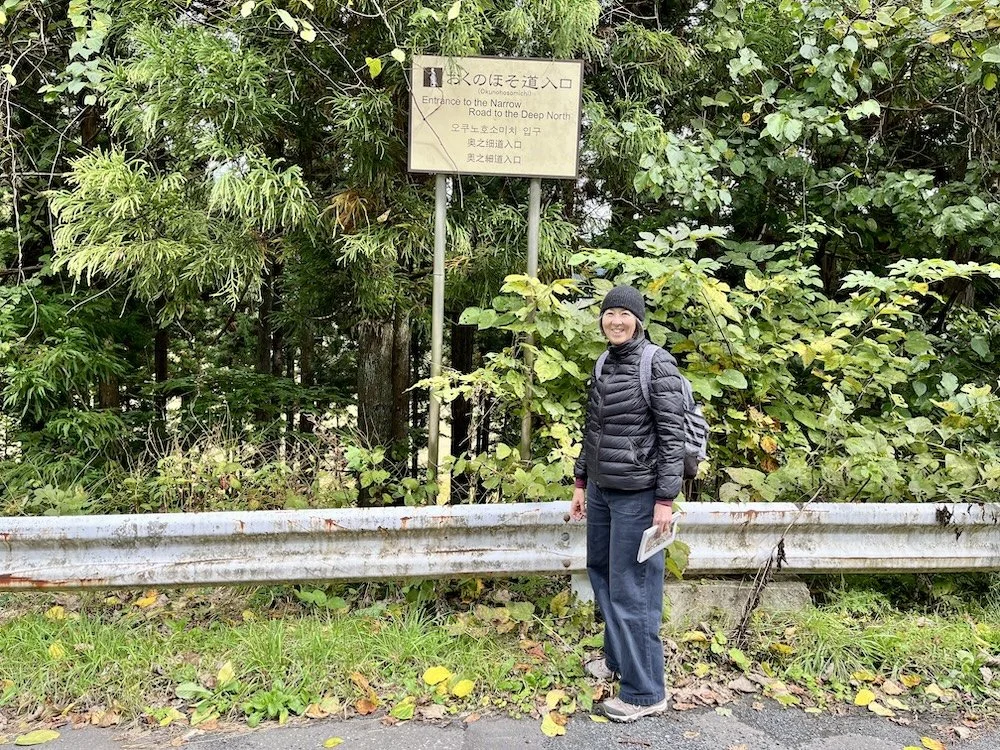
Annette Makino along the route of Bashō’s Narrow Road to the Deep North, October 2025.
“three wayfarers” - My husband, son and I took a bullet train from Tokyo to Sendai, in the rural Tohoku region in the north, where Bashō and his friend and disciple Sora walked over a period of five months in 1689.
“Narrow Road” - Based on his travels, Bashō wrote a very influential travelogue sprinkled with haiku, called Oku-no-hosomichi, or Narrow Road to the Deep North. This verse also plays with the fact that in Japan, people drive on the left.
“dancing maples” - In the Tohoku region of Japan, aggressive bears killed 13 people last year. Signs warn hikers to make noise as they walk, so we often clapped our hands to warn bears away.
“all words drown” - With its hundreds of small pine-covered islands, Matsushima Bay is considered one of the most beautiful places in Japan. Bashō was so overcome that he couldn’t write a single haiku about it.
“a crow” - hojicha is a kind of roasted green tea.
“autumn leaves” - This verse riffs on one of Bashō’s most famous haiku, reflecting on the once-mighty Fujiwara dynasty: “the summer grasses— / all that remains / of a warrior’s dream” (trans. Robert Hass). This poem is engraved on a stone monument near the site where Bashō wrote it.
“on his walk too” - The fall weather was mostly lovely, but we had a bit of rain on our walking tour. Glad we had better raincoats than the straw cape Bashō wore!
“a little more wear” - Part of the walking tour involved climbing a steep mountain pass via some very worn and mossy stone steps.
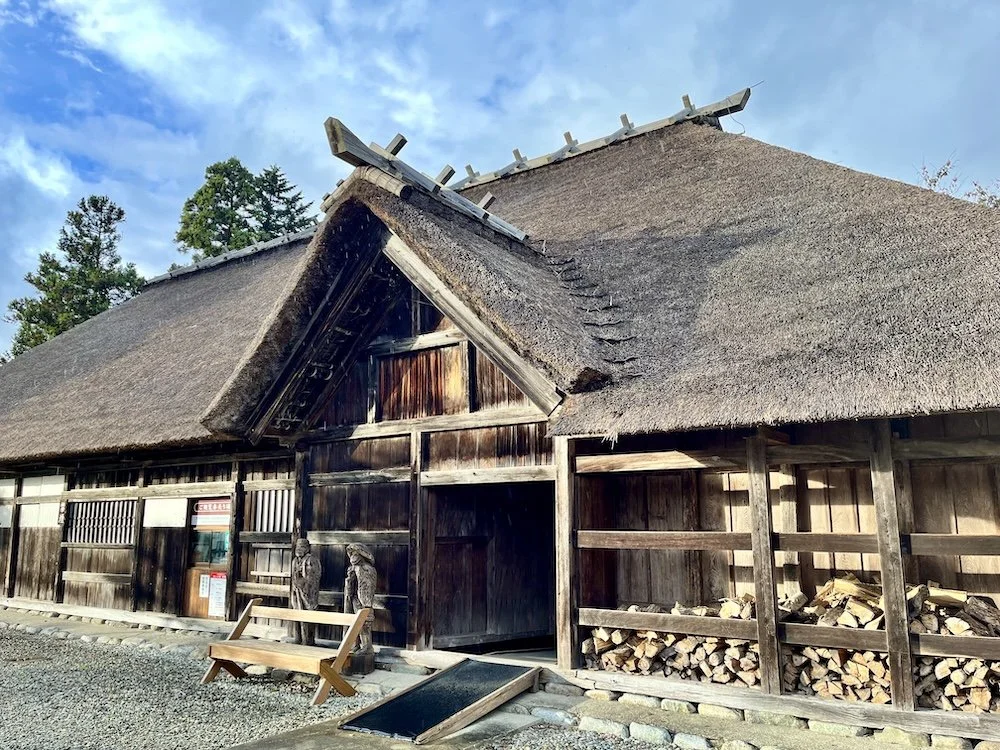
Basho and Sora spent some nights at this station master’s house, now a museum.
“a banana tree” - Bashō adopted his pen name from the banana tree, or bashō, outside his hut. A cluster of banana trees grows near the entrance to the Bashō museum in Yamadera.
“straw sandals” - For their journey of 1500 miles, mostly on foot, Bashō and Sora wore sandals made of rice straw. These wore out out so quickly that they had to be replaced every day.
“steaming onsen” - Japan is famous for its many onsen, or hot springs. The traditional Japanese hotels on our walking tour all had onsite onsen—a great treat after hiking up to ten miles.
_________________________
Thanks for coming along! For more details and photos of the trip, booked via Walk Japan, see my blog post, Three wayfarers in Japan.
•
Makino Studios News
Summer sale: Take 15% off all cards in the Makino Studios shop until midnight this Monday, August 3 with code SUMMER2026. And check out the new bestseller bundles for birthdays, sympathy and everyday (6 cards for the price of five).
2027 calendar focus group: I’ve been working hard on the collages for my 2027 mini-calendar of art and haiku! I could use some feedback on which image to use for the cover and which pieces to leave out entirely. If you’re interested in getting a sneak peek online and voting on the options, please email me (see page footer). And if you were part of last year’s focus group, I’ll include you again. Thanks!
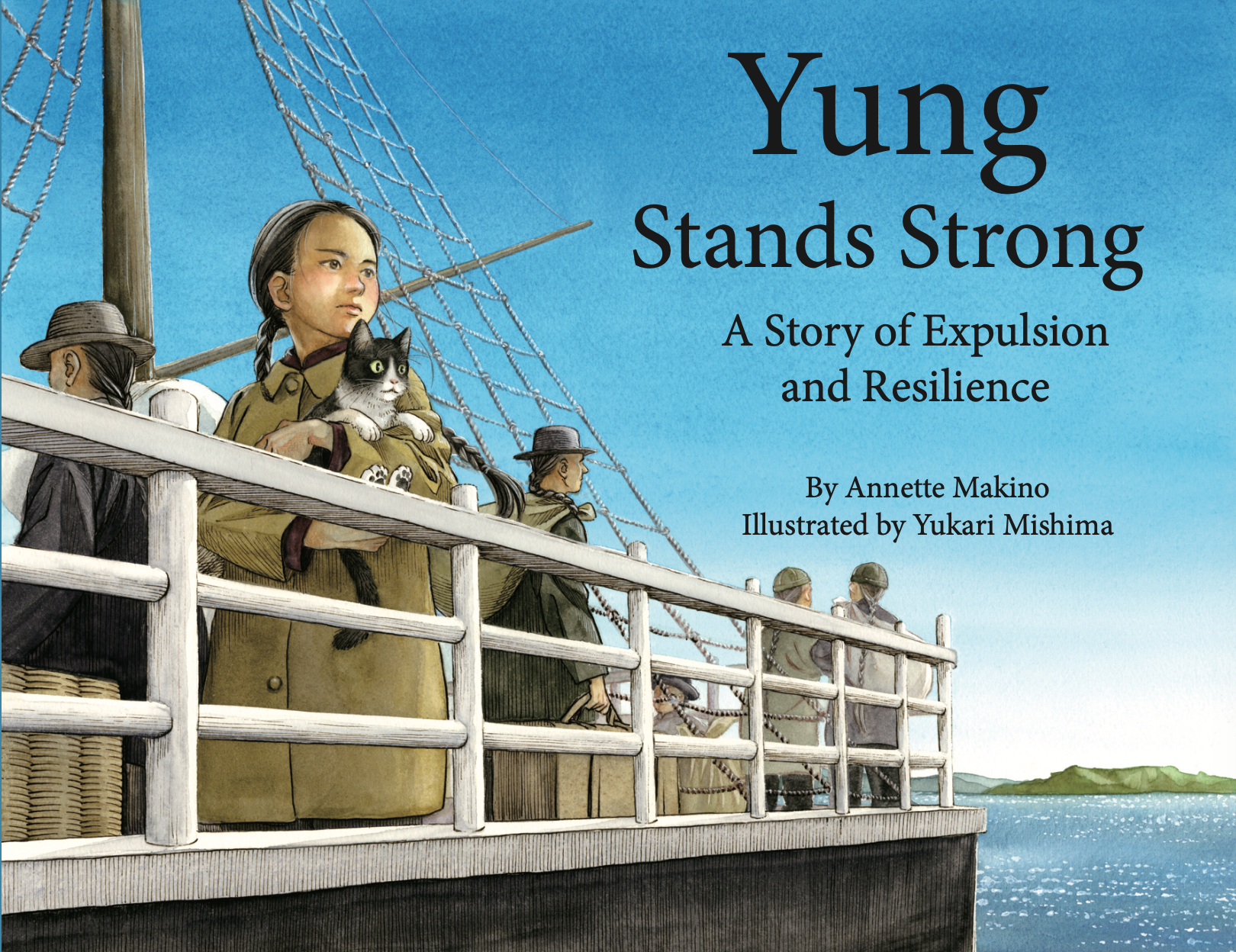
Yung Stands Strong: After months of research, writing, and editing, the children’s book I’ve written in collaboration with Humboldt Asians and Pacific Islanders in Solidarity (HAPI) is finally finished! With beautiful illustrations by Yukari Mishima and an in-depth historical section, this book about the 1885 expulsion of the Chinese population from Eureka, CA, goes to the printer tomorrow. We expect to have books in hand by the beginning of October. The books run 50 pages (half story, half historical background) and will cost $20. If you expect to buy more than a couple of copies, please let me know ASAP, as we are still figuring out the right quantity to print!
Obon Festival: Local Humboldt folks, I hope to see you at Humboldt’s fifth annual traditional Japanese celebration of our ancestors 3-7 p.m. on Sunday, August 16 in the Arcata, CA, Creamery District. Bon folk dancing, taiko drumming, Asian food vendors, crafts, kids activities and an ancestor shrine await you. I’m honored that this year’s posters, t-shirts and sweatshirts feature one of my mixed media collages. More info from HAPI.
Seabeck Haiku Getaway: For those who will be at the Seabeck Haiku Getaway in Seabeck, WA in late October, I plan to attend and give a presentation, with haiku and photos, on walking part of Bashō’s route.